Turandot: To The Daughters of the East
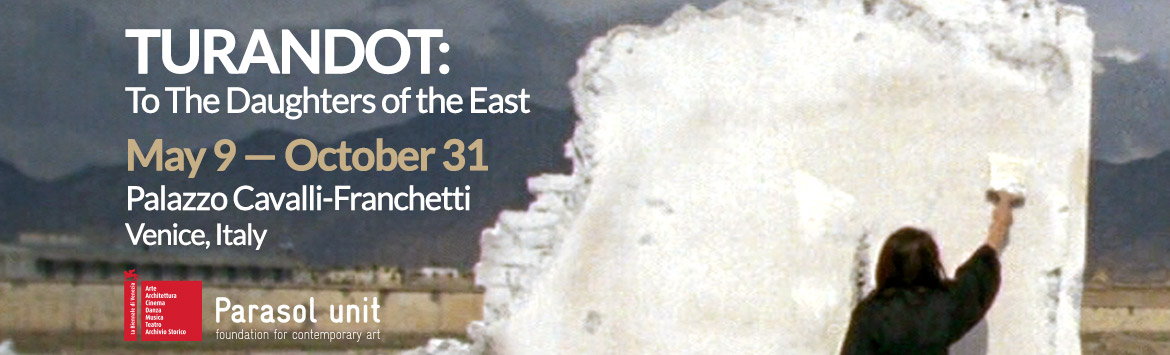
 is proud to partner with

in presenting
TURANDOT: TO THE DAUGHTERS OF THE EAST
MAY 9 - OCTOBER 31
10AM - 6PM Weekdays, Closed Tuesdays
Venice, Italy
Presented during the 61st Internaiontal Art Exhibition,
LA BIENNALE DI VENEZIA
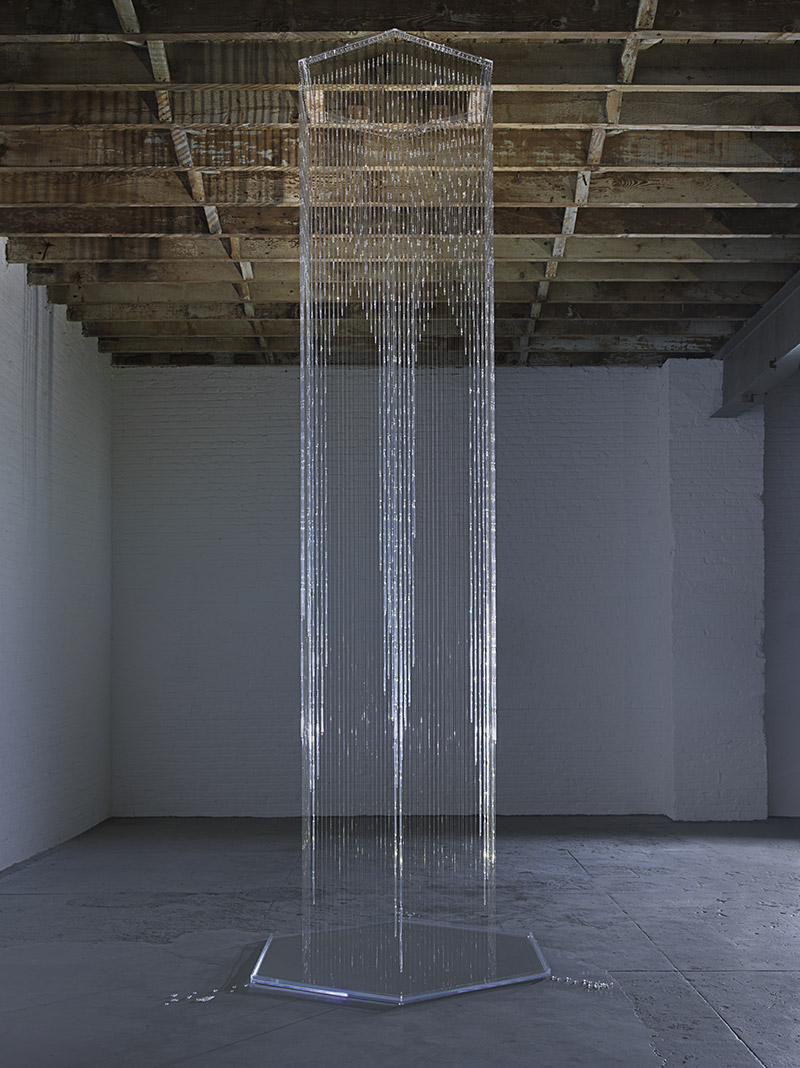
Opium House Tears, 2024, Photo by Genevieve Hanson. Courtesy the artist
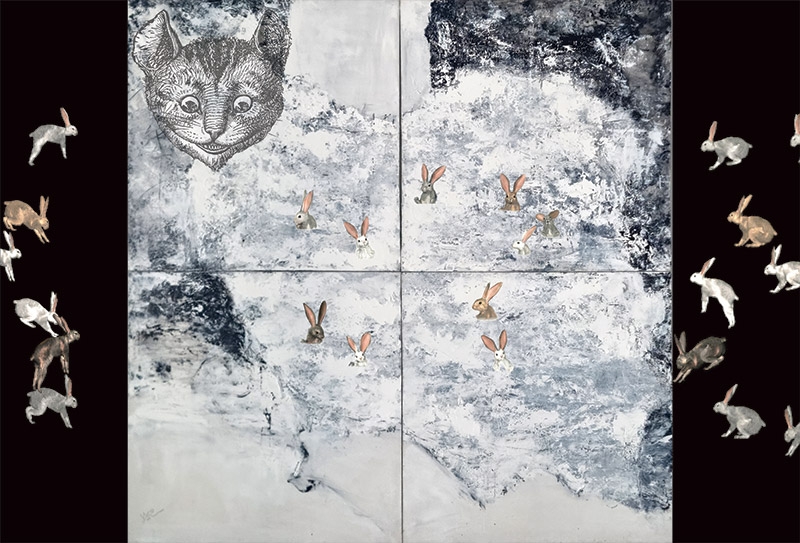
Gone Down the Rabbit Hole, 2010, Courtesy J. Stojan, © Farideh Lashai Foundation
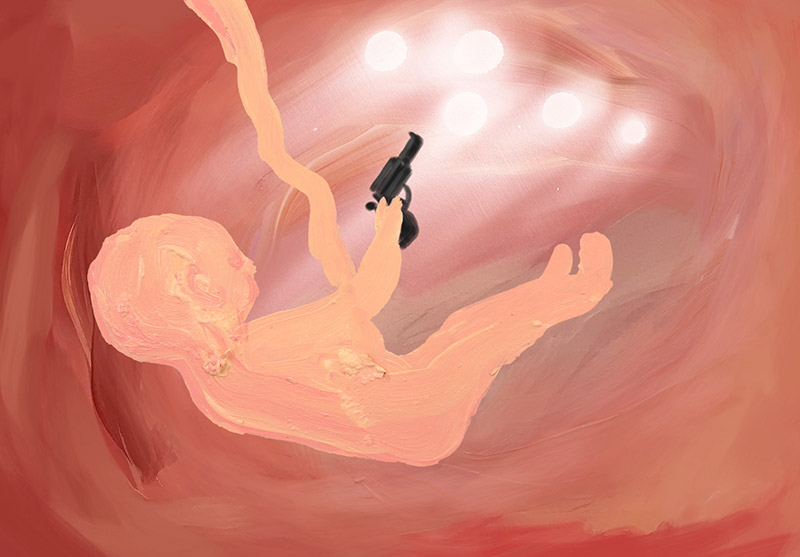
The Womb, 2019, Photographic stills from the work. Courtesy the artist and David Kordansky Gallery
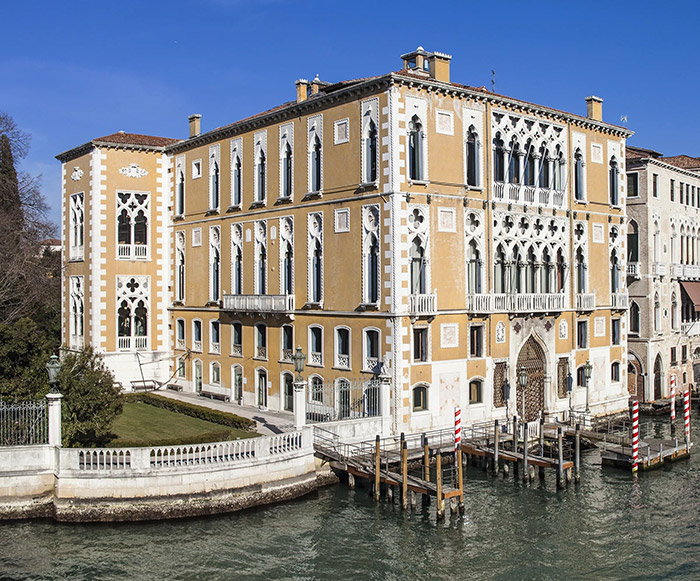
TURANDOT: To the Daughters of the East will be presented in the historic Palazzo Cavalli-Franchetti in Venice Italy.
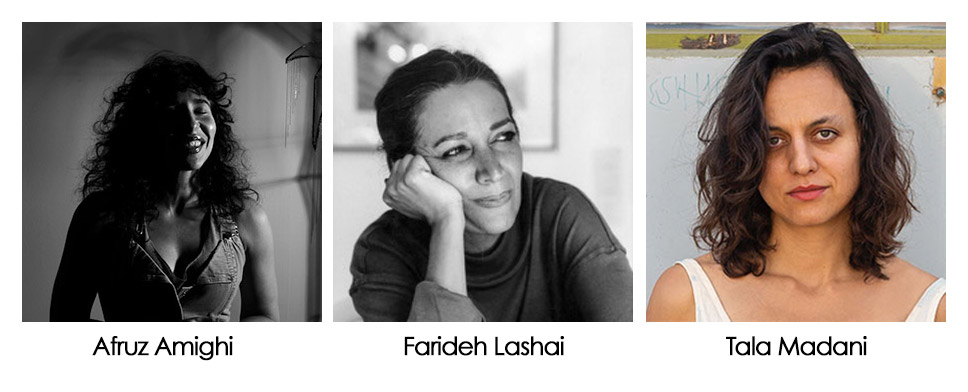
The exhibition features both new and iconic artworks that span multiple genres, from video work by Lida Abdul, Hera Büyüktaşçıyan, Daria Kim and Tala Madani, installations by Afruz Amighi, Saodat Ismailova, and Nazira Karimi, sculpture by Huma Bhabha and Mona Hatoum, painting, video and spoken words by Farideh Lashai, textile and sound work by Madina Joldybek. These eleven artists engage profoundly with human, societal and global concerns, addressing themes as diverse as existence, myth, and history.
Turandot is certainly one of the most complex and enigmatic figures in world mythology, literature and opera. Her story traverses centuries, languages and artistic forms, all the while reflecting ongoing cross-cultural hybridity and reinterpretation.
The earliest known versions of the Turandot tale appeared in Persian literature, notably in the twelfth-century epic work Haft Paykar (Seven Beauties) by Nezami Ganjavi (1196 AD. In one of his romantic tales the poet writes of a far distant Slavic/Russian princess, Nasrin Nush, whose wisdom and inaccessibility make her seem distanced and cold-hearted. Gradually, as the story migrated via oral and literary traditions, it accumulated ever more layers of meaning and symbolism. The name Turandot first appeared in a 1710 retelling of Nezami’s tales by François Pétis de la Croix who, having translated them from Persian into French, chose to depict her as a Chinese princess. Her name and character seem to have been modified to fit Western Enlightenment-era fascination with the ‘exotic’ East. Two centuries later, Giacomo Puccini skilfully fused the Turandot tale with the Italian dramatic tradition to present one of music’s most dramatic operas to a global audience.
A common given name for Iranian females, Turandokht in Persian means daughter of Turan, an historical and geographic region northeast of Iran. Known today as Central Asia, Turan includes Kazakhstan, Kyrgyzstan, Tajikistan, Turkmenistan and Uzbekistan, which together with other regions such as Afghanistan and parts of Pakistan, Turkey and Iran, have at times been integral parts of the Persian Empire. Although considered arch-rivals throughout antiquity and the early Middle Ages, Iran (settled) and Turan (nomadic) were intricately intertwined through their history and culture.
The exhibition TURANDOT: To the Daughters of the East pays homage to women artists from those geographical regions, whose individual and collective histories and works reveal their strength, convictions and creativity. Together, they honour the voice of Turandot as remarkable, intelligent and confident women.
The exhibition is curated by Dr Ziba Ardalan, Founder and Director of Parasol unit foundation for contemporary art.
Event Details
| Event Starts | 05/09/2026 |
| Event Ends | 10/31/2026 |
| Individual Price | Free Admission |
| Location | Palazzo Cavalli-Franchetti |